

Winter Is Coming: How to Prepare Your Home
The temperatures are dropping, the blankets are coming out, and your heating system is about to enter its busiest season.
November is a great time to give your home a little winter prep before colder weather officially settles in. The good news? You don’t need a major renovation to make your home feel cozier and use energy more efficiently.
A few smart changes now can help you head into winter feeling warm, prepared, and ready for whatever the forecast brings.
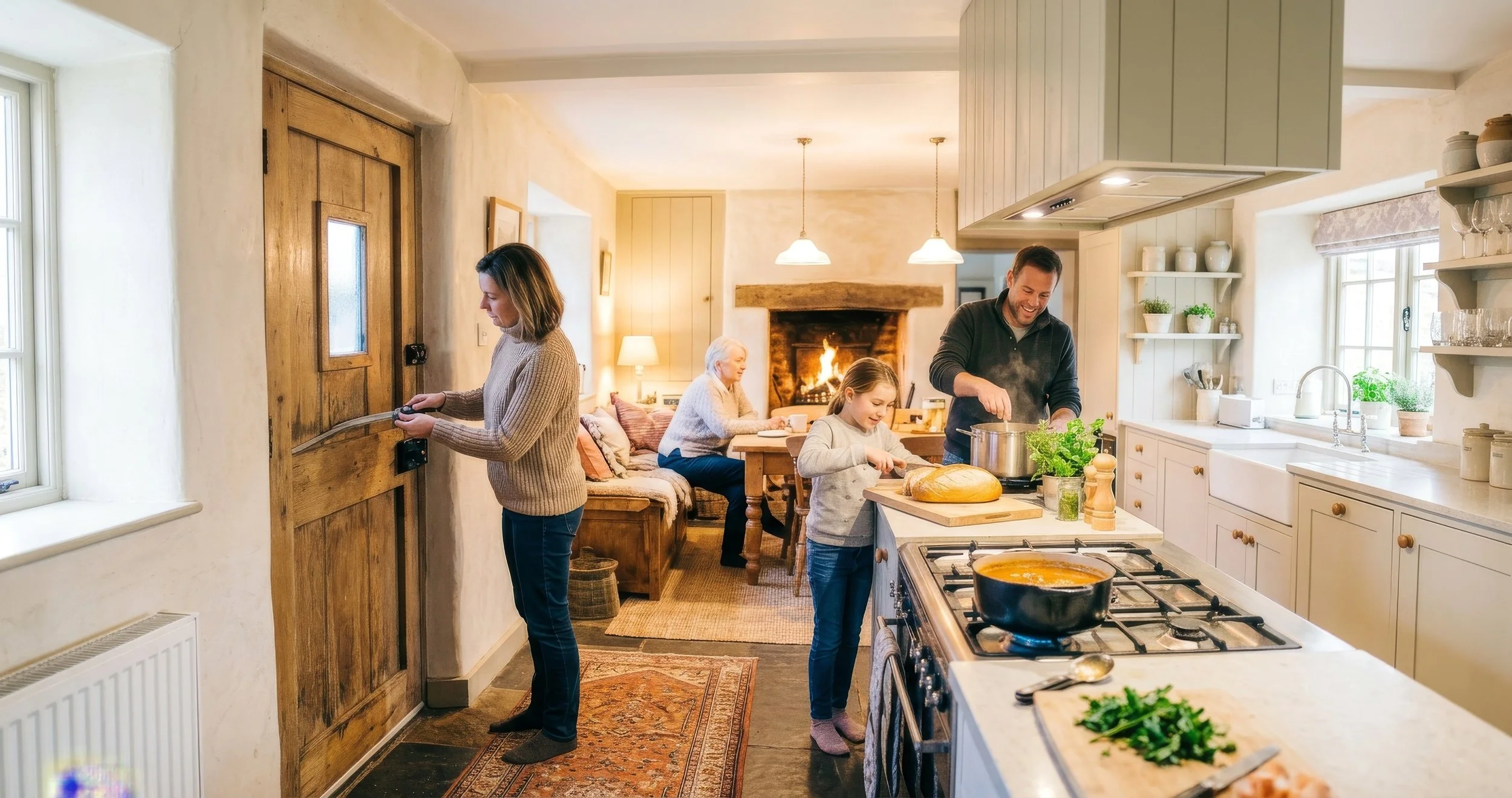
Hunt Down Hidden Drafts
You may already know to check around windows and doors, but drafts can show up in some unexpected places.
Look around electrical outlets on exterior walls, attic access doors, recessed lighting, plumbing openings, and even pet doors. Small gaps can allow heated air to escape.
Weatherstripping, caulk, and other simple sealing solutions can help keep warm air inside where it belongs.
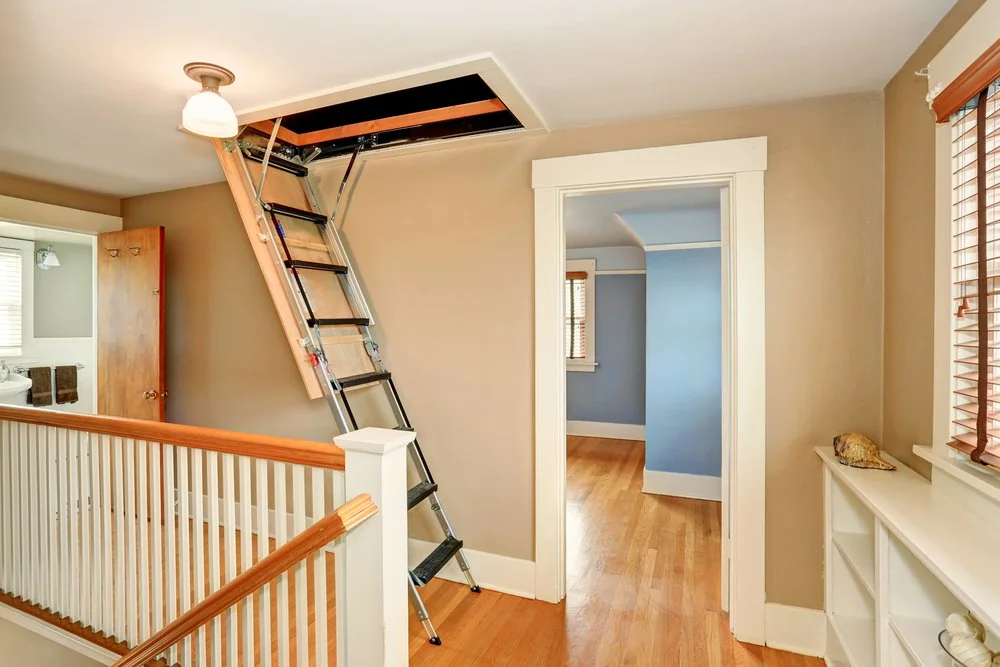
Give Your Attic Door Some Attention
Your attic may not be a place you visit often, but the opening leading to it can be a sneaky source of heat loss.
Check that your attic hatch or pull-down stairs close tightly and are properly insulated. Adding weatherstripping around the opening can also help reduce air leakage.
Think of it as putting a lid on your home's warm air.
Check the Direction of Your Ceiling Fans
Yes, your ceiling fans can still earn their keep in November.
Many ceiling fans have a reverse setting that allows them to rotate clockwise during colder months. At a low speed, the fan can help circulate warm air that has risen to the ceiling back into the living space.
Just remember to turn fans off when no one is in the room.
Rearrange for Better Airflow
Your furniture may be working against your heating system without you realizing it.
Check that sofas, chairs, curtains, and rugs aren’t blocking heating vents or returns. Giving warm air a clear path into the room can help your heating system warm the space more effectively.
A little furniture shuffle might be one of the easiest winter upgrades you make.
Use Your Curtains Strategically
Your curtains can do more than make a room look cozy.
On sunny days, open curtains and blinds to let natural sunlight help warm your home. Once the sun goes down, close them to create an extra barrier between your room and the cold glass.
For especially drafty windows, heavier or insulated curtains can provide even more protection.
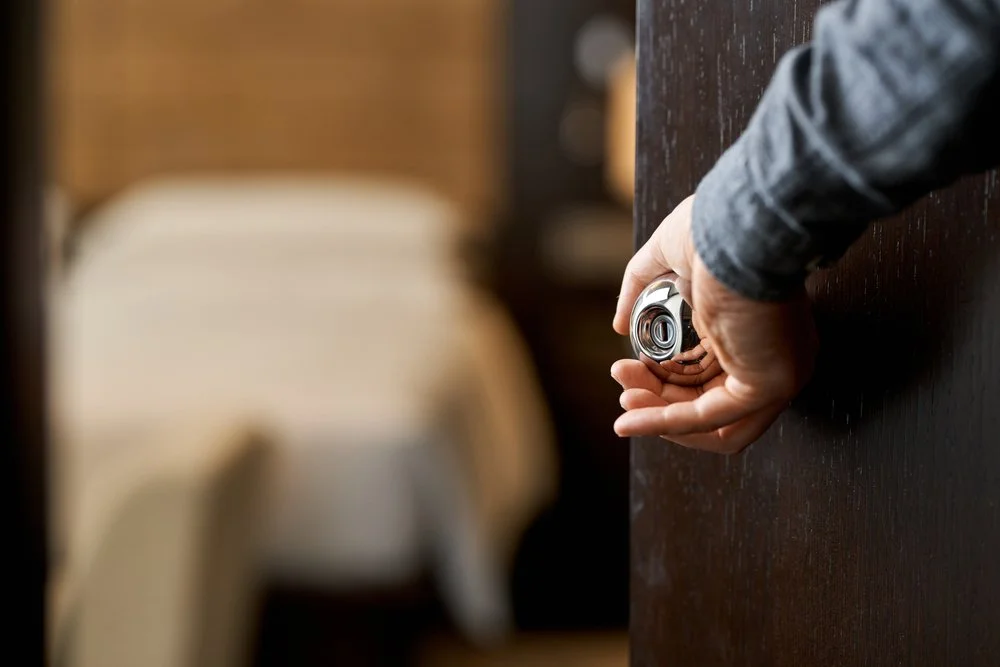
Keep Interior Doors Working for You
You don’t always have to heat every part of your home the same way.
If you have rooms that are rarely used, closing the door can sometimes help keep the spaces you use most feeling more comfortable. Just be careful not to close rooms off in a way that interferes with your HVAC system’s airflow.
Homes with zoned heating systems can take this idea even further by adjusting temperatures in different areas based on when they’re being used.
Check Your Refrigerator and Freezer Settings
Winter energy prep doesn’t have to be all about heating.
Take a minute to make sure your refrigerator and freezer aren’t colder than necessary. Keeping appliances at appropriate temperature settings helps avoid wasted energy.
While you’re there, clean dust from accessible refrigerator coils if your appliance manufacturer recommends it. Cleaner coils can help the refrigerator operate more efficiently.
Unplug the Holiday Energy Vampires
November often means the beginning of holiday decorating season.
Before plugging in every strand of lights and inflatable decoration you own, consider using LED holiday lights and timers or smart plugs.
Timers can prevent decorations from running all night, while smart plugs make it easier to control multiple decorations without crawling behind furniture every evening.
Your holiday spirit can stay high while your energy use stays a little more controlled.
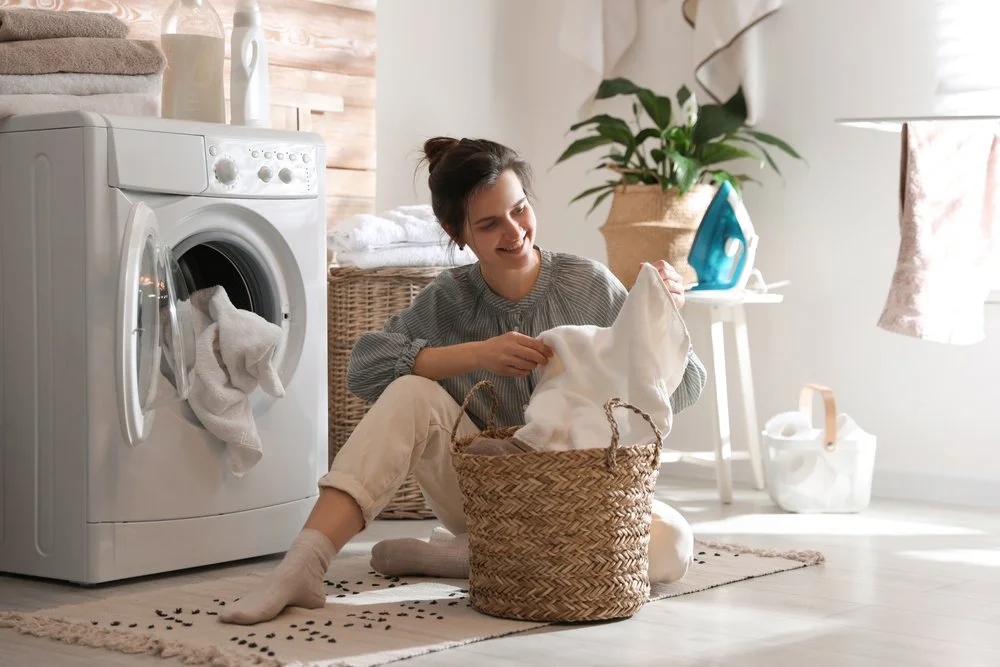
Run Full Loads
Cooler weather often means more laundry, more blankets, and more time spent cooking at home.
Try to run full loads in your dishwasher and washing machine whenever possible. You’ll get more done using roughly the same cycle.
When washing clothes, choose cold water when it works for the fabric and cleaning needs. And when using the dishwasher, skip heated drying if your appliance offers an air-dry option.
Use Your Oven Heat — Safely
If November has you baking casseroles, pies, and cookies, your oven is already producing plenty of heat.
Once you’re finished cooking, simply allow the kitchen to benefit from the residual warmth while the oven cools normally.
For safety, keep the oven door closed rather than using the oven as a heating source.
Bonus Tip: When cooking smaller meals, appliances such as toaster ovens, air fryers, or slow cookers may use less energy than heating a full-size oven.
Check Your Water Heater Area
Your water heater works year-round, but colder incoming water can make it work harder during the winter.
Check exposed hot-water pipes and consider insulating them where appropriate. Pipe insulation can help reduce heat loss as hot water travels from your water heater to faucets and showers.
While you’re thinking about hot water, shaving a few minutes off your shower can also reduce both water and energy use.
Give Your Dryer a Helping Hand
Before winter laundry starts piling up, clean your dryer lint screen after every load and periodically check the dryer vent for buildup.
Good airflow helps your dryer work more effectively and is also important for home safety.
You can also try dryer balls, which may help separate clothing and improve airflow during the drying cycle.
Create a “Warm Zone”
Instead of automatically raising the thermostat for the entire house, make the rooms where your family spends the most time extra cozy.
Add throw blankets, area rugs, and warmer bedding. Rugs can make hard floors feel noticeably warmer underfoot, while layered bedding can help you stay comfortable overnight without overheating the rest of the house.
Sometimes staying comfortable and using energy wisely starts with a good pair of fuzzy socks.

Do a November Energy Walk-Through
Set aside 10 minutes and walk through your home with one goal: find places where energy might be slipping away.
Look for lights left on in empty rooms, electronics sitting in standby mode, blocked vents, dripping hot- water faucets, drafty doors, and appliances running unnecessarily.
You might be surprised how many small opportunities you find.