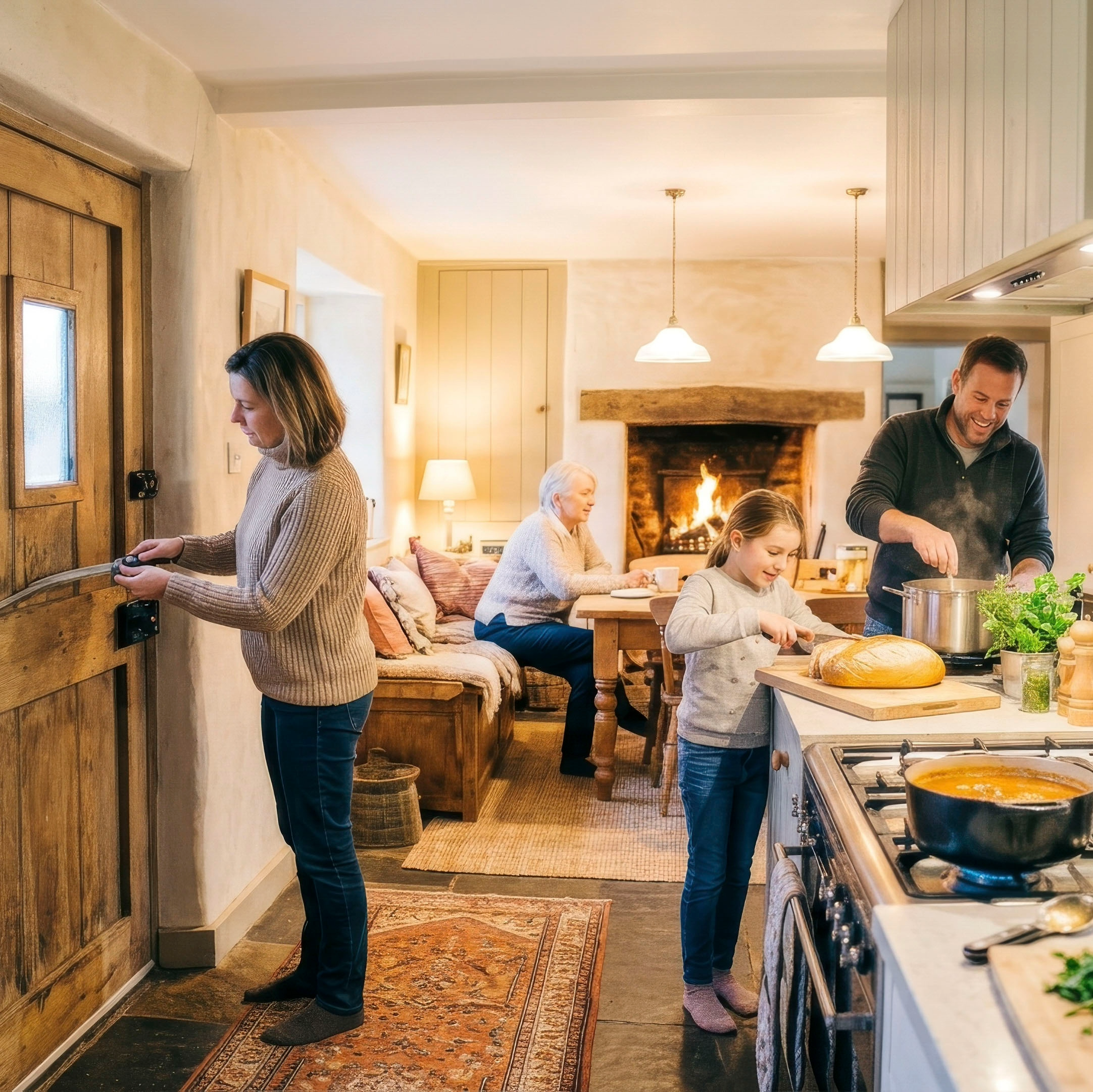

Holiday Hosting: Energy-Saving Tips for Gatherings
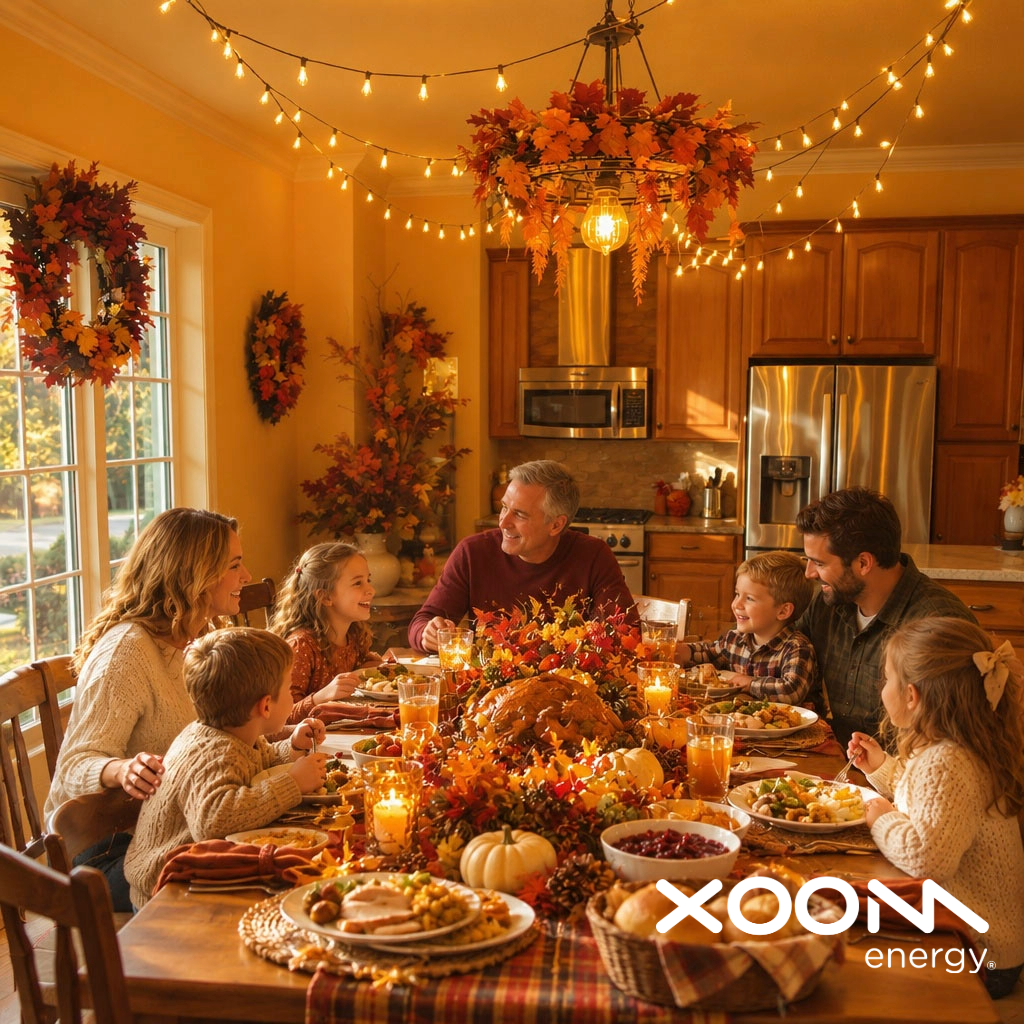
November means cooler weather, full kitchens, crowded dining tables, and plenty of reasons to gather.
Whether you’re hosting Thanksgiving dinner, a Friendsgiving celebration, or a casual weekend get-together, having a house full of people can mean extra cooking, cleaning, lighting, and appliance use.
The good news? A few simple choices can help you host comfortably while keeping energy use in check.
Let Your Guests Help Warm the House
A full house naturally feels warmer.
Between people, cooking appliances, and all the activity happening indoors, your home may not need as much help from the heating system during a gathering.
If the house starts feeling warm, consider lowering the thermostat a degree or two instead of opening windows or letting the HVAC system compete with all that extra heat.
Think of it as a hosting perk your guests may not even realize they’re providing.
Plan Your Oven Time
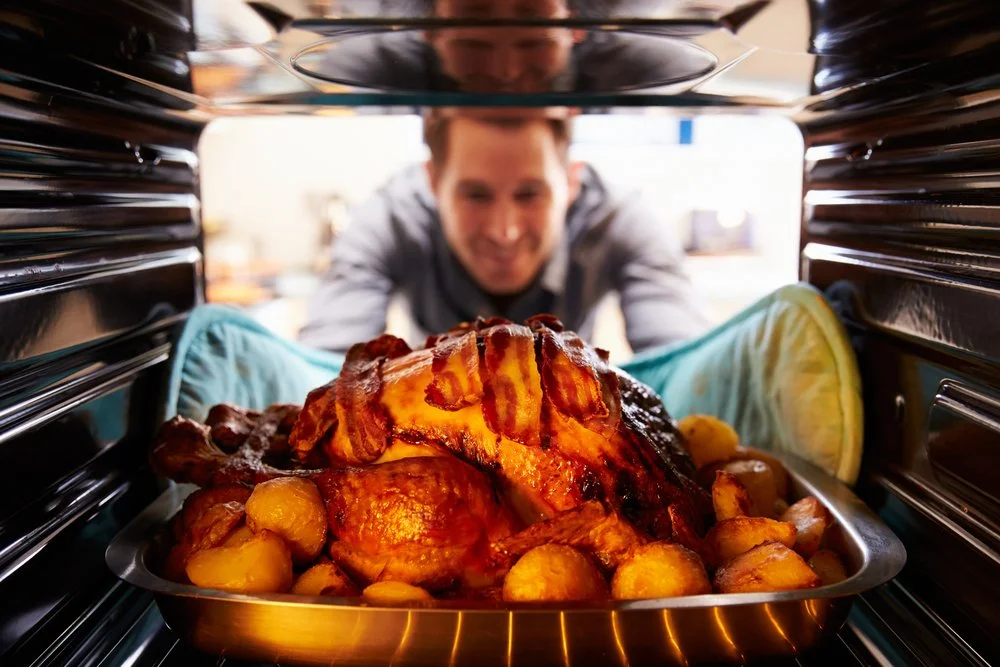
The oven can be one of the busiest appliances in the house during the holidays, so a little planning goes a long way.
Try grouping dishes that cook at similar temperatures so you can prepare multiple items at once. Avoid opening the oven door repeatedly to check food, since heat escapes each time the door opens.
You can also use smaller appliances such as air fryers, toaster ovens, or slow cookers for side dishes when it makes sense.
Bonus: Fewer dishes fighting for oven space.
Skip the Preheat When You Can
Not every recipe requires a long preheat.
For foods with longer cooking times, check the recipe and appliance instructions to see whether preheating is actually necessary. Avoiding unnecessary preheating can reduce the amount of time the oven runs.
For recipes that do require it, wait until you’re nearly ready to cook before turning the oven on.
Put Slow Cookers to Work
Slow cookers can be especially handy during holiday gatherings.
They’re great for keeping soups, dips, side dishes, and other foods warm without occupying oven or stovetop space for hours.
They also give you one more important hosting benefit: less last-minute kitchen juggling.
Fill the Dishwasher Before You Run It
Holiday meals usually come with one thing you can count on: dishes.
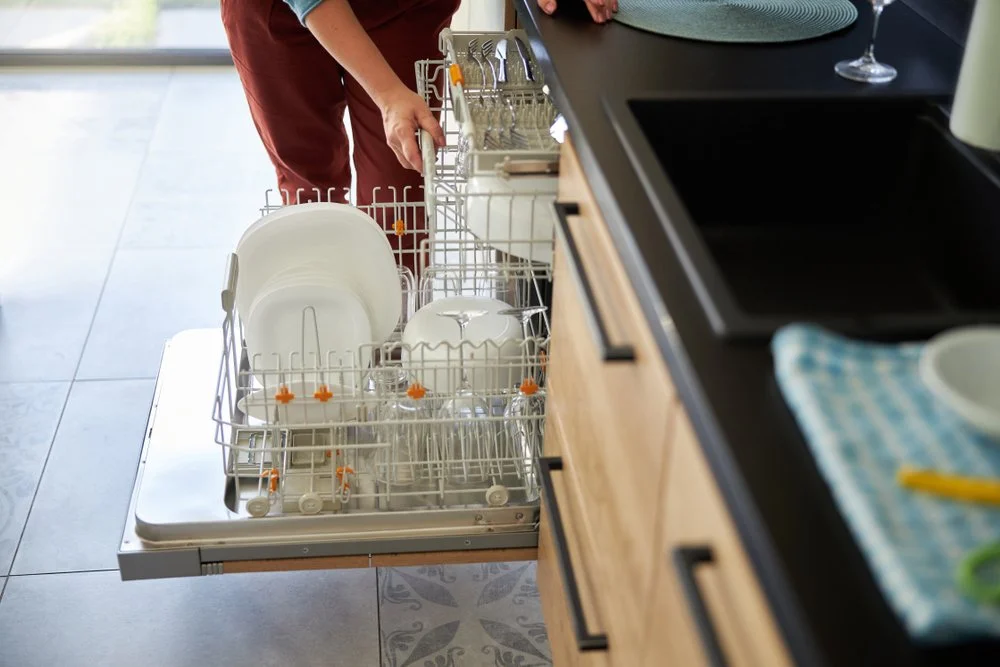
Instead of running several small loads throughout the day, wait until the dishwasher is full whenever possible.
If your dishwasher has an air-dry or energy-saving setting, consider using it instead of heated drying.
And despite the temptation to wash everything spotless first, modern dishwashers often only need plates to be scraped before loading. Check your appliance instructions before doing a full pre-rinse.
Keep Refrigerator Browsing to a Minimum
When guests arrive, your refrigerator can suddenly become one of the most popular places in the house.
Every time the door opens, cold air escapes, and the appliance has to work harder to bring the temperature back down.
Before guests arrive, organize drinks, snacks, and frequently used ingredients so they’re easy to find.
Even better, create a separate drink station with a cooler or beverage tub so guests aren’t constantly opening the refrigerator.
Make the Most of Natural Light
If your gathering starts during the day, let the sun do some of the decorating.
Open curtains and blinds to brighten your home naturally before turning on every light in the house.
As evening arrives, switch to LED lighting where possible. LED bulbs and holiday lights use less energy and can still create that warm, cozy atmosphere everyone wants this time of year.
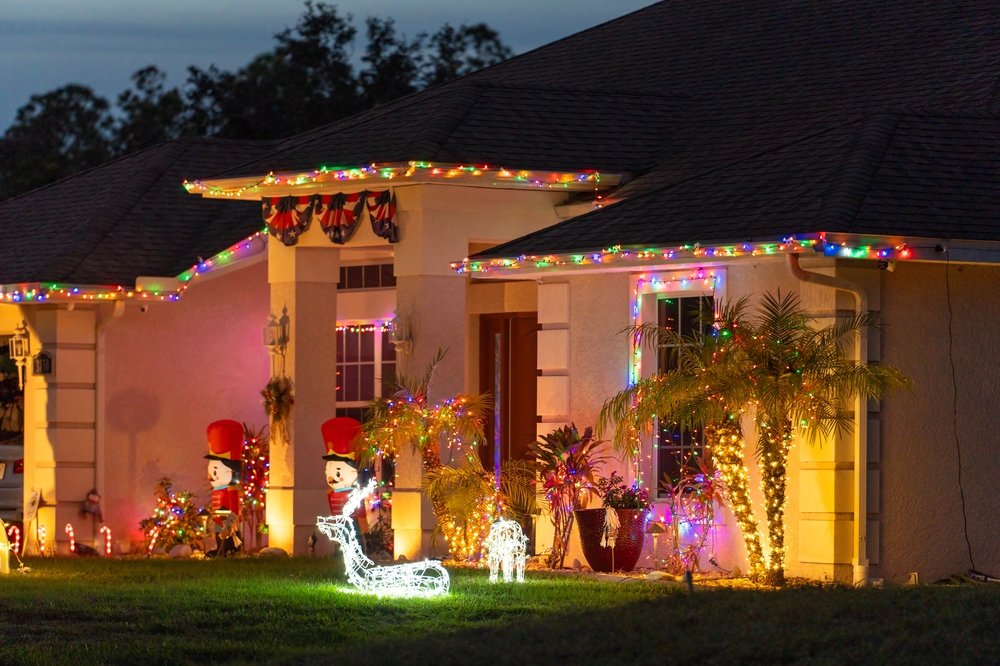
Put Holiday Lights on a Schedule
Holiday decorating often begins right around Thanksgiving, which means your gathering may include twinkling lights, garlands, and plenty of festive extras.
Plug decorative lights into timers or smart plugs so they automatically turn off when the party is over.
That way, you won’t wake up the next morning and realize the porch, tree, and entire living room have been glowing all night.
Create a Self-Serve Beverage Station
A coffee, cocoa, or drink station can make hosting easier and may help cut down on unnecessary appliance use.
Brew a full pot of coffee instead of making individual cups throughout the evening, then transfer it to an insulated carafe if you want to keep it warm without leaving the warming plate on.
For cold drinks, set out a cooler or beverage tub and let guests help themselves.
Less kitchen traffic. Fewer refrigerator door openings. Happier host.
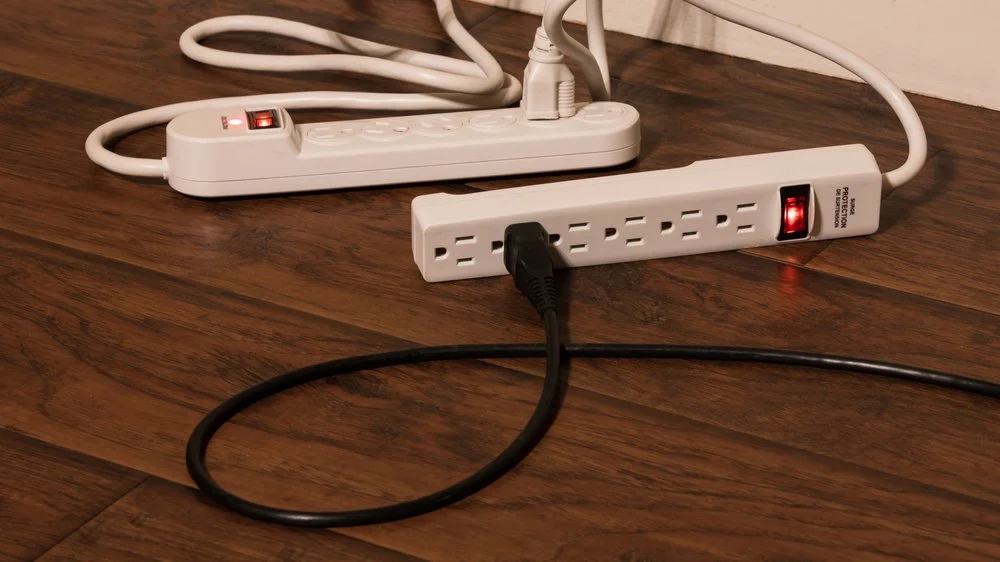
Turn Off the Extras
Before guests arrive, take a quick look around the house.
Do you really need lights on in every bedroom? TVs playing in multiple rooms? Or ceiling fans running in spaces no one is using?
Focus energy use on the areas where guests will actually spend time and switch off unnecessary lights, electronics, and fans elsewhere.
It’s a small step that can make a difference during a busy day.
Use Your Leftovers Wisely
Holiday leftovers are practically a tradition of their own.
When storing food, allow hot dishes to cool appropriately before placing them in the refrigerator, following food-safety guidance. Organize leftovers so they’re easy to see and use instead of getting lost in the back of the fridge.
When reheating a single serving, consider using a microwave, air fryer, or toaster oven instead of heating the full-size oven.
Leftover pie deserves an efficient encore.
Make Cleanup Work Smarter
Once the last guest leaves, resist the urge to start every appliance at once.
Run full loads of dishes and laundry rather than several smaller ones. Wash table linens in cold water when appropriate for the fabric, and make sure your dryer lint screen is clean before drying.
If you have plenty of leftovers, group them together in the refrigerator rather than repeatedly opening the door while cleaning up.

Host More, Stress Less
Holiday gatherings should be about the people around the table, not worrying about every light switch or appliance.
The easiest energy-saving habits are often the ones that fit naturally into what you’re already doing, such as filling the dishwasher, planning oven time, using holiday light timers, and taking advantage of the extra warmth a full house brings.
With a little planning, you can create a warm and welcoming holiday gathering while making thoughtful choices about how your home uses energy.
After all, the holidays are about sharing time with family and friends. A few smart habits can help you spend less time worrying about energy use and more time enjoying the food, the company, and maybe one more slice of pie.