Stay Safe at Home: Hurricane & Thunderstorm Preparedness Guide
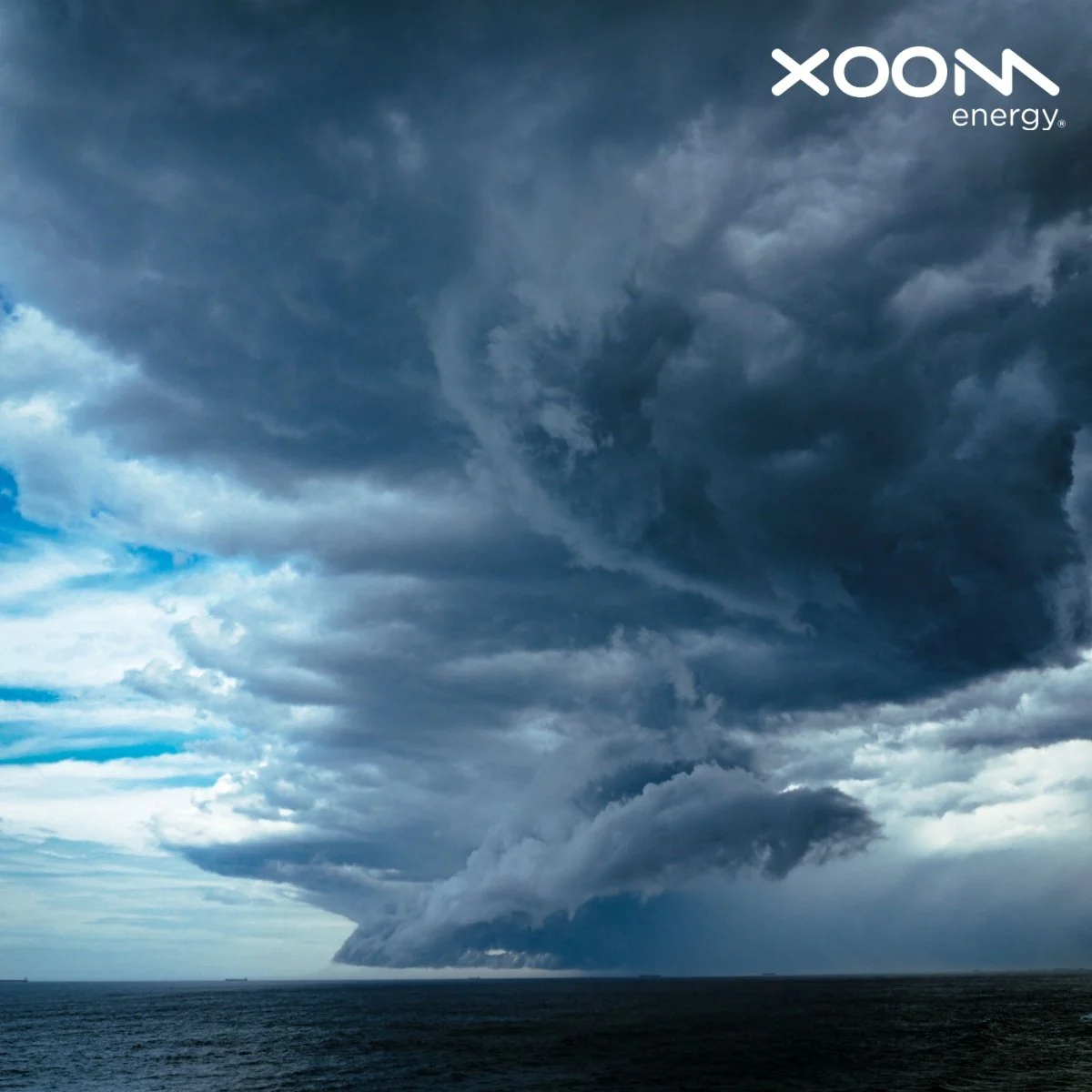
Severe weather can strike quickly. While you can’t control the forecast, taking smart steps now can protect your family, reduce damage, and offer peace of mind when storms roll in.
Understand the Risks
Hurricanes and strong thunderstorms bring more than just rain. They can include:
Damaging winds
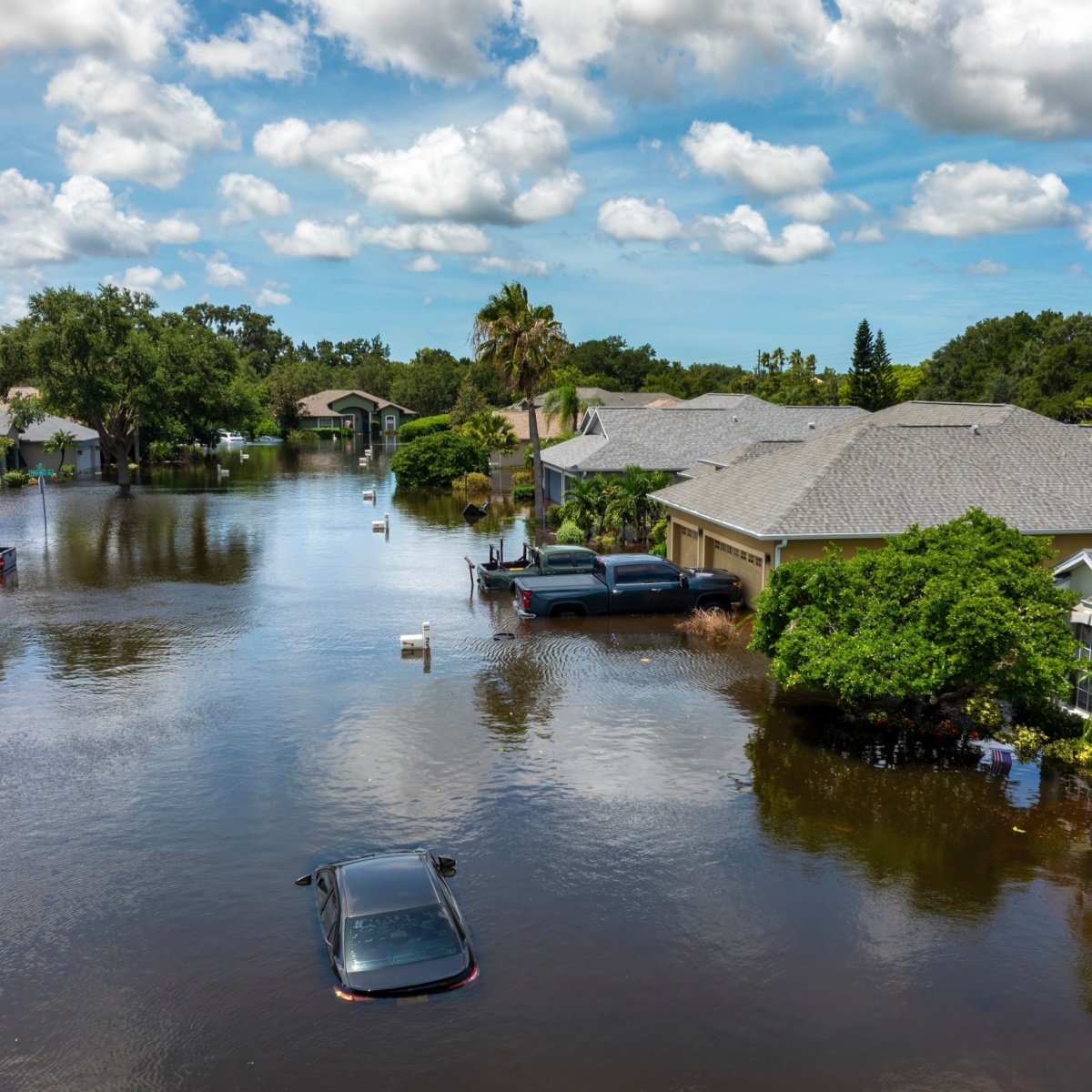
Flooding and storm surge
Power outages
Lightning strikes
Falling trees and debris
Even everyday thunderstorms can seriously damage your home.
Before the Storm: Prepare Your Home
1. Secure the outside
Bring in patio furniture, umbrellas, and décor.
Trim weak tree branches.
Clean gutters and downspouts to prevent water buildup
2. Check your home’s structure
Inspect your roof for loose shingles.
Seal windows and doors properly.
Consider storm shutters or impact-resistant windows if you live in a high-risk area.
3. Build an emergency kit
Keep essentials in one easy-to-access place:
Flashlights + extra batteries
Bottled water (1 gallon per person per day)
Non-perishable food
First aid kit
Portable phone chargers
Important documents (sealed/waterproof)
4. Plan for power outages
Charge all devices ahead of time.
Have backup lighting ready.
Know how to safely use a generator (never indoors)
During the Storm: Stay Safe Inside
1. Stay away from windows
High winds can shatter glass or send debris flying.
2. Avoid water and electronics during lightning
Lightning can travel through plumbing and wiring. Skip showers, dishwashing, and unplug sensitive electronics if possible.
3. Use surge protectors
They help protect appliances and devices from power surges.
4. Monitor weather updates
Keep a weather radio or phone alerts on so you’re not caught off guard if conditions worsen.
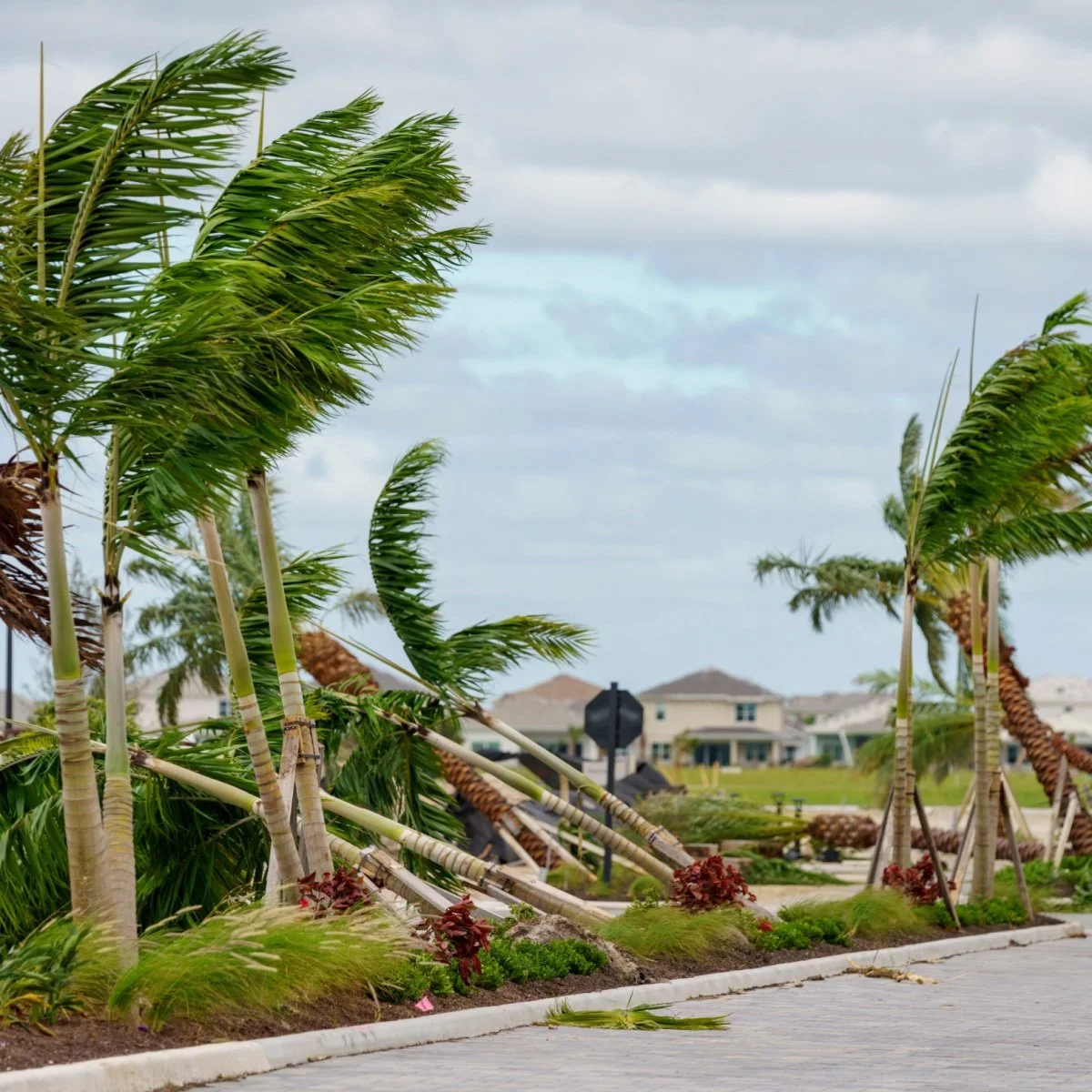
Special Hurricane Considerations
If a hurricane is expected:
Follow evacuation orders immediately—don’t wait.
Move valuables and electronics to higher ground.
Turn off utilities if instructed.
Fill your car with gas early.
Flooding is often the greatest danger during hurricanes, even in inland areas.
After the Storm: Stay Alert
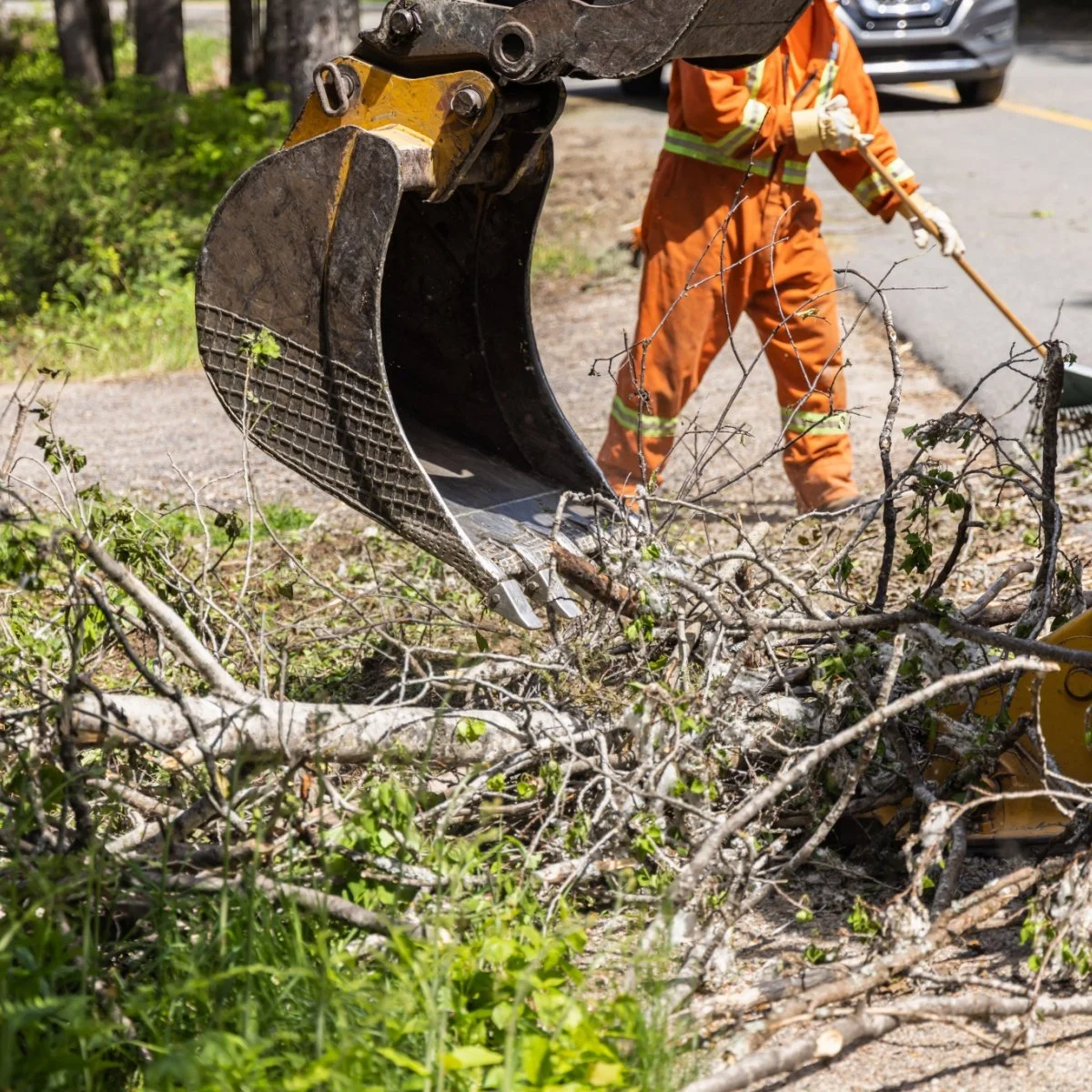
1. Watch for hazards
Downed power lines (assume they’re live)
Flooded areas
Structural damage to your home
2. Avoid standing water
It can contain bacteria, debris, or hidden electrical risks.
3. Check your home safely
Look for roof leaks, electrical issues, or gas smells before settling back in.
Smart Safety Tip
A little preparation reduces chaos when it matters most. If your home is ready, you’ll have more time to focus on keeping your family safe.
To learn more about storm and hurricane safety:
Thunderstorms & Lightning | Ready.gov