
Fire Prevention Month: Electrical Safety at Home
October is Fire Prevention Month, making it a good time to take a closer look at electrical safety around your home.
Electrical systems quietly power nearly everything we use each day, from kitchen appliances and chargers to lighting, televisions, and heating equipment. But damaged cords, overloaded outlets, and outdated electrical equipment can increase the risk of fire.
A few simple checks can help make your home safer this fall.
Check Cords and Plugs
Take a quick look at the cords you use most often. Frayed wires, cracked insulation, loose plugs, or exposed wiring are signs that a cord or appliance may need to be replaced.
Avoid running electrical cords under rugs, furniture, or other areas where they can become damaged or overheat.
Avoid Overloading Outlets
It can be tempting to plug multiple devices into one outlet, especially in areas where electronics tend to gather.
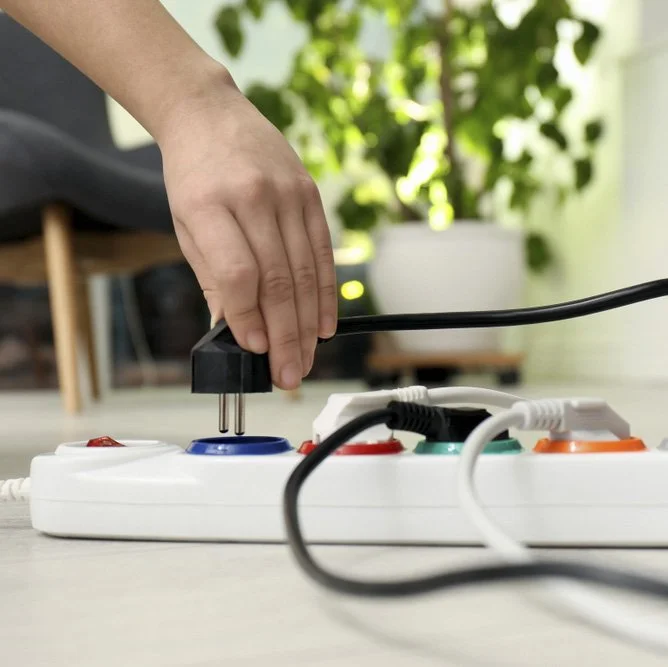
Use power strips appropriately and avoid plugging too many high-powered devices into the same outlet or circuit. If an outlet feels warm, looks discolored, sparks, or frequently trips a breaker, stop using it and have it checked by a qualified electrician.
Use Extension Cords Temporarily
Extension cords are convenient, but they are generally designed for temporary use rather than as permanent household wiring.
Make sure you are using the correct type and rating for the device being powered, and never connect multiple extension cords together.
Give Space Heaters Plenty of Room
Cooler October temperatures can bring space heaters back into use.
Keep portable heaters at least 3 feet away from curtains, bedding, furniture, clothing, and other flammable items. Place them on a stable, flat surface and plug them directly into a wall outlet rather than an extension cord or power strip.
Always turn space heaters off when leaving the room or going to sleep.

Keep Electrical Devices Away from Water
Water and electricity are never a good combination.
Keep plugged-in appliances away from sinks, bathtubs, showers, and other wet areas. Ground-fault circuit interrupter, or GFCI, outlets are especially important in areas such as kitchens, bathrooms, garages, and outdoor spaces.
Pay Attention to Warning Signs
Your home may give you clues when something electrical needs attention.
Frequently tripped breakers, flickering lights, buzzing outlets, burning smells, sparks, or unusually warm switches and outlets should never be ignored.
If you notice one of these warning signs, stop using the affected equipment or outlet and contact a qualified electrician.
Give Fall Decorations a Safety Check
October also means pumpkins, string lights, inflatables, and plenty of seasonal decorations.
Before plugging them in, check cords and lights for damage. Use outdoor-rated products outdoors, follow the manufacturer's instructions, and avoid connecting more light strings than recommended.
Timers can also help make sure decorations are not left running longer than necessary.
Test Smoke Alarms
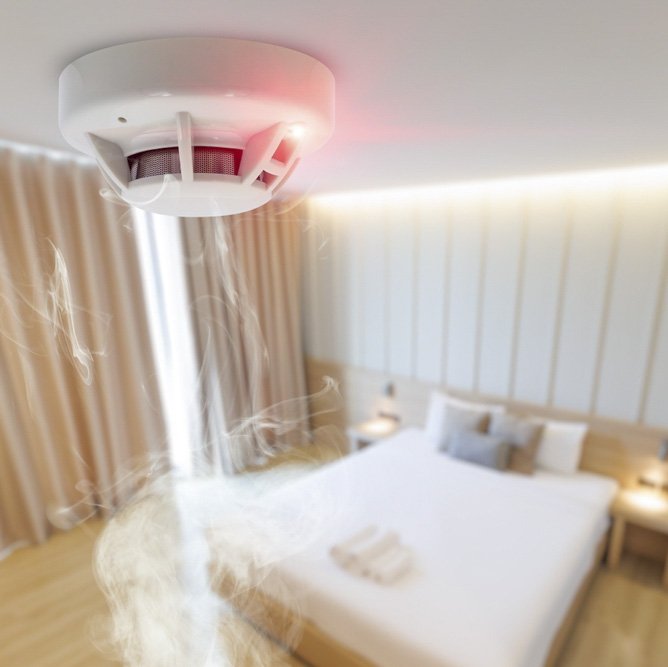
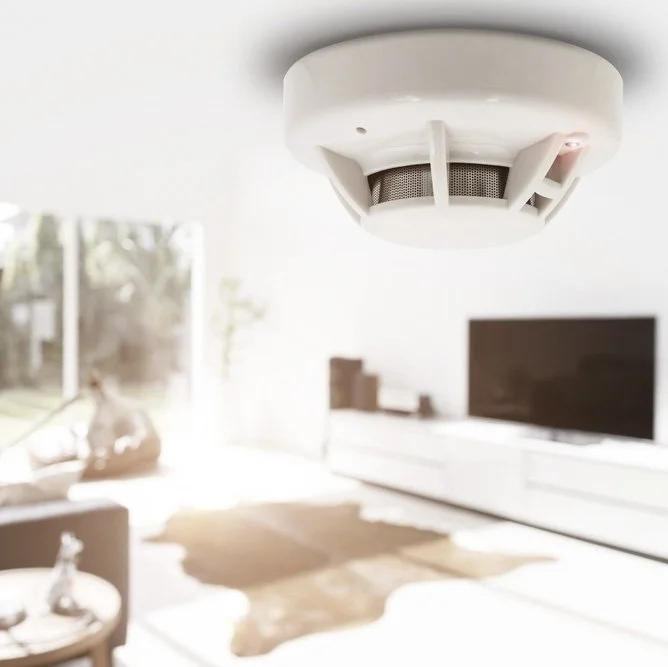
Fire Prevention Month is also a good reminder to check your smoke alarms.
Test alarms regularly, replace batteries when needed, and make sure your household has working smoke alarms in the appropriate areas of the home. Everyone should also know what to do and where to go if an alarm sounds.
Make Electrical Safety Part of Your Routine
Electrical safety does not have to be complicated. A few minutes spent checking cords, outlets, appliances, heaters, and seasonal decorations can help reduce potential hazards around your home.
This October, use National Fire Prevention Month as a reminder to make electrical safety part of your fall home checklist — and help keep your home safer all season long.